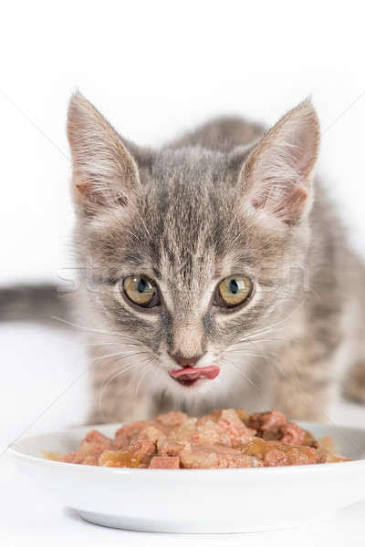


Popular Cat Breeds in India: Complete Guide
Cats have become one of the fastest-growing companion animals in India, and it is easy to see why. They are intelligent, affectionate, playful, and adapt well to different living environments. Whether you live in a spacious home or a compact apartment, there is a cat breed that can fit your lifestyle. Some people prefer the low-maintenance Indian Domestic Cat, while others admire the luxurious coat of a Persian or the striking appearance of a Bengal.
Choosing the right cat is about much more than appearance. Every breed has unique grooming requirements, exercise needs, nutritional preferences, and health considerations. Understanding these differences helps you provide a safe, enriching environment and ensures your feline companion enjoys a long, healthy life.
This comprehensive guide explores the most popular types of cats in India, from native cats to internationally recognized breeds commonly kept as pets. You'll learn about each breed's appearance, temperament, grooming, nutrition, exercise needs, health considerations, ideal home, and average lifespan. You'll also find practical care advice, responsible adoption guidance, and expert-backed recommendations that reflect current veterinary and animal welfare practices.
Why Understanding Cat Breeds Matters
Although all domestic cats share similar instincts, each breed has distinct characteristics that influence daily care and compatibility with different households. Some breeds thrive in active families, while others enjoy quiet indoor environments. Long-haired cats usually require more grooming than short-haired breeds, and energetic cats benefit from additional mental stimulation and exercise.
Before choosing a cat, consider:
- Your home's available space.
- The time you can dedicate to grooming and play.
- Whether you have children or other pets.
- Your budget for food, accessories, and veterinary care.
- Your willingness to commit to a companion that may live for 15 years or longer.
Many first-time cat owners in India choose Indian Domestic Cats because they adapt well to local weather conditions, are generally healthy, and often require less intensive grooming than some pedigree breeds. Regardless of the breed you choose, responsible ownership begins with understanding your cat's physical and emotional needs.
1. Indian Domestic Cat (Indie Cat)

The Indian Domestic Cat, often called the Indie Cat, is the most common cat found throughout India. These naturally evolved cats are highly adaptable, intelligent, and resilient. They come in many colours and coat patterns, making every Indie Cat unique. Because they developed naturally over generations, they are generally well suited to India's climate and make excellent companions for families, singles, and first-time pet owners.
Appearance
- Medium-sized body with a lean, muscular build.
- Short, easy-to-maintain coat.
- Wide variety of coat colours and patterns.
- Bright, expressive eyes.
- Well-balanced and athletic physique.
Temperament
- Friendly and affectionate with trusted people.
- Curious and intelligent.
- Independent yet social.
- Playful throughout adulthood.
- Excellent hunters with strong instincts.
Grooming
The short coat requires minimal grooming. Weekly brushing removes loose hair and helps maintain a healthy coat.
Exercise Needs
Daily interactive play with toys, climbing structures, and scratching posts keeps Indie Cats physically active and mentally stimulated.
Nutrition
Provide a balanced, high-protein diet that meets your cat's life stage. Some cats may develop food sensitivities, so monitor their response to new foods. If your cat has specific health conditions, such as urinary issues, digestive concerns, kidney disease, or weight management needs, consult your veterinarian about an appropriate diet.
Health Considerations
Indian Domestic Cats are generally healthy and have fewer inherited genetic disorders than many pedigree breeds. Routine vaccinations, parasite prevention, dental care, and annual veterinary examinations remain essential.
Ideal Home
They adapt well to apartments, independent households, families with children, and homes with other pets when properly introduced.
Average Lifespan
12–18 years.
Quick Care Tips
- Provide fresh drinking water at all times.
- Offer interactive toys for mental stimulation.
- Schedule annual veterinary check-ups.
- Keep vaccinations up to date.
- Provide scratching posts to encourage natural behaviour.
2. Persian Cat

The Persian Cat remains one of the most popular pet cat breeds in India. Its luxurious long coat, calm personality, and affectionate nature make it a favourite among families seeking a relaxed indoor companion. Although Persians require more grooming than many other breeds, their gentle temperament often makes the extra care worthwhile.
Appearance
- Long, silky coat.
- Flat facial profile.
- Large round eyes.
- Compact, sturdy body.
- Thick tail.
Temperament
- Calm and gentle.
- Quiet and affectionate.
- Enjoys predictable routines.
- Forms strong bonds with family members.
- Prefers peaceful indoor environments.
Grooming
Daily brushing helps prevent tangles, matting, and excessive hairballs. Regular eye cleaning is also important because Persians can experience tear staining.
Exercise Needs
Persians enjoy short play sessions but generally have low to moderate exercise requirements.
Nutrition
A complete and balanced diet supports healthy skin and coat condition. Cats prone to hairballs may benefit from specially formulated diets. If a Persian develops food sensitivities or requires nutritional support for specific health conditions, seek guidance from your veterinarian before changing foods.
Health Considerations
Regular veterinary care helps monitor breathing, dental health, eye care, and coat condition. Maintaining a healthy weight also supports long-term wellbeing.
Ideal Home
Quiet homes where owners can dedicate time to daily grooming and regular interaction.
Average Lifespan
12–17 years.
Quick Care Tips
- Brush daily.
- Keep eyes clean.
- Trim nails regularly.
- Encourage gentle daily play.
- Schedule regular health examinations.
3. Siamese Cat

The Siamese Cat is famous for its striking blue eyes, elegant appearance, and outgoing personality. These highly intelligent cats enjoy interacting with people and often communicate through distinctive vocalizations. They thrive in homes where they receive plenty of attention and mental stimulation.
Appearance
- Sleek, muscular body.
- Colour-point coat.
- Large ears.
- Bright blue eyes.
- Fine, short coat.
Temperament
- Highly social.
- Intelligent and curious.
- Vocal and expressive.
- Loyal to family members.
- Enjoys interactive games.
Grooming
The short coat requires only occasional brushing to remove loose hair.
Exercise Needs
High. Siamese Cats benefit from climbing trees, puzzle feeders, and interactive toys.
Nutrition
Feed a high-quality, protein-rich diet that supports their active lifestyle. Monitor body condition regularly to maintain an ideal weight.
Health Considerations
Routine wellness examinations help identify hereditary conditions early. Preventive healthcare and dental care remain important throughout life.
Ideal Home
Active households where family members spend plenty of time with their pets.
Average Lifespan
12–20 years.
Quick Care Tips
- Rotate toys regularly.
- Provide climbing opportunities.
- Encourage interactive play.
- Maintain consistent feeding schedules.
- Schedule annual veterinary visits.
4. Bengal Cat

The Bengal Cat combines the appearance of a wild leopard with the affectionate nature of a domestic companion. Their athletic build, spotted coat, and energetic personality make them one of the most visually distinctive cat breeds available in India.
Appearance
- Muscular body.
- Rosette or marbled coat pattern.
- Glossy short coat.
- Strong legs.
- Expressive green or gold eyes.
Temperament
- Extremely active.
- Highly intelligent.
- Curious and adventurous.
- Confident and playful.
- Enjoys learning new activities.
Grooming
Weekly brushing is usually sufficient because of the breed's short coat.
Exercise Needs
Very high. Bengal Cats require climbing structures, interactive toys, and daily play sessions to remain physically and mentally healthy.
Nutrition
Feed a premium-quality diet rich in animal protein. Cats with digestive concerns, food sensitivities, or other specific health conditions may require individualized nutritional advice from a veterinarian.
Health Considerations
Regular veterinary care, exercise, and mental enrichment contribute significantly to their long-term health.
Ideal Home
Active families who can provide plenty of daily interaction and environmental enrichment.
Average Lifespan
12–16 years.
Quick Care Tips
- Install cat trees.
- Use puzzle feeders.
- Rotate enrichment toys.
- Provide daily exercise.
- Prevent boredom through interactive play.
5. Maine Coon

Often called the "gentle giant," the Maine Coon is one of the largest domestic cat breeds. Despite its impressive size, it is known for its affectionate, intelligent, and friendly personality. Maine Coons are excellent companions for families who have enough indoor space and time to care for their luxurious coats.
Appearance
- Large muscular body.
- Long water-resistant coat.
- Bushy tail.
- Tufted ears.
- Strong paws.
Temperament
- Friendly and sociable.
- Gentle with children.
- Intelligent.
- Curious.
- Adaptable.
Grooming
Brush several times each week to reduce loose hair and prevent tangles.
Exercise Needs
Moderate. They enjoy climbing towers, chasing toys, and interactive games.
Nutrition
Because of their larger body size, Maine Coons benefit from a balanced diet rich in quality protein and nutrients that support joint health and overall body condition.
Health Considerations
Routine veterinary examinations, weight management, dental care, and preventive healthcare help maintain long-term wellbeing.
Ideal Home
Families with enough indoor space and opportunities for enrichment.
Average Lifespan
10–15 years.
6. British Shorthair

The British Shorthair is one of the oldest and most recognizable cat breeds in the world. Known for its plush coat, round face, and calm personality, this breed is an excellent choice for families, working professionals, and first-time cat owners. British Shorthairs are affectionate without being overly demanding and adapt well to apartment living.
Appearance
- Medium to large muscular body.
- Dense, plush double coat.
- Round face with full cheeks.
- Large round eyes.
- Strong legs and broad chest.
Temperament
- Calm and gentle.
- Independent yet affectionate.
- Patient with children.
- Quiet and easy-going.
- Loyal to family members.
Grooming
Weekly brushing helps remove loose hair and keeps the coat healthy. During seasonal shedding, brushing more frequently helps reduce hair around the home.
Exercise Needs
Moderate. Although British Shorthairs enjoy relaxing, they still benefit from daily interactive play to maintain a healthy weight.
Nutrition
Provide a balanced, protein-rich diet formulated for adult cats. Because this breed can gain weight easily, portion control is important. Cats with food sensitivities or specific health conditions, such as obesity or urinary concerns, may require specialized nutrition recommended by a veterinarian.
Health Considerations
Regular veterinary check-ups, dental care, weight monitoring, parasite prevention, and vaccinations help maintain long-term health.
Ideal Home
Suitable for apartments, families, couples, and seniors looking for a relaxed companion.
Average Lifespan
12–20 years.
Quick Care Tips
- Monitor body weight regularly.
- Encourage daily play sessions.
- Brush weekly.
- Keep fresh water available.
- Schedule annual health examinations.
7. Ragdoll

The Ragdoll is famous for its affectionate nature and tendency to relax completely when held, which inspired its name. This gentle breed enjoys spending time with people and is considered one of the most family-friendly cats.
Appearance
- Large body.
- Semi-long silky coat.
- Blue eyes.
- Colour-point markings.
- Soft, fluffy tail.
Temperament
- Gentle and affectionate.
- Friendly with children.
- Social and people-oriented.
- Calm indoors.
- Intelligent and adaptable.
Grooming
Brush the coat several times each week to prevent tangles and reduce shedding.
Exercise Needs
Moderate. Interactive toys and climbing furniture provide excellent enrichment.
Nutrition
Feed a premium-quality complete diet appropriate for large breeds. If digestive concerns, food sensitivities, or specific health conditions develop, consult your veterinarian before changing foods.
Health Considerations
Routine veterinary examinations, weight management, and dental care help support long-term health.
Ideal Home
Families, apartment dwellers, and owners looking for a calm indoor companion.
Average Lifespan
12–17 years.
Quick Care Tips
- Brush regularly.
- Provide scratching posts.
- Keep the cat indoors.
- Schedule preventive healthcare.
- Encourage gentle daily play.
8. Scottish Fold

The Scottish Fold is instantly recognizable because of its unique folded ears. Combined with its sweet personality and affectionate nature, this breed has become increasingly popular among cat lovers in India.
Appearance
- Folded ears.
- Round face.
- Medium-sized body.
- Dense soft coat.
- Large expressive eyes.
Temperament
- Quiet and affectionate.
- Gentle with children.
- Intelligent.
- Curious.
- Adaptable.
Grooming
Weekly brushing is usually enough for short-haired varieties, while long-haired Scottish Folds benefit from more frequent grooming.
Exercise Needs
Moderate. Daily play prevents boredom and supports healthy body weight.
Nutrition
A balanced diet supports healthy muscles, joints, and coat condition. Cats with specific health conditions may require therapeutic nutrition recommended by their veterinarian.
Health Considerations
Scottish Folds can be prone to inherited joint and cartilage disorders. Regular veterinary monitoring is essential to detect problems early.
Ideal Home
Indoor families willing to provide regular veterinary care.
Average Lifespan
11–15 years.
Quick Care Tips
- Watch for signs of joint discomfort.
- Encourage moderate daily activity.
- Maintain healthy body weight.
- Schedule regular veterinary visits.
- Keep ears clean.
9. Himalayan Cat

The Himalayan Cat combines the luxurious coat of the Persian with the beautiful colour-point markings of the Siamese. These elegant cats are affectionate, gentle, and thrive in peaceful indoor environments.
Appearance
- Long, silky coat.
- Blue eyes.
- Colour-point markings.
- Compact body.
- Flat facial profile.
Temperament
- Calm and affectionate.
- Quiet.
- Loyal.
- Gentle.
- Enjoys relaxing with family.
Grooming
Daily brushing is essential to prevent matting and reduce hairballs. Eye cleaning is also important.
Exercise Needs
Low to moderate. Short play sessions throughout the day help maintain fitness.
Nutrition
Feed a complete diet that supports healthy skin and coat. Some cats benefit from hairball-control formulas or specialized diets for food sensitivities, urinary care, or other specific health conditions under veterinary guidance.
Health Considerations
Monitor respiratory health, eye care, dental hygiene, and body weight through regular veterinary check-ups.
Ideal Home
Quiet homes where owners have time for daily grooming.
Average Lifespan
12–15 years.
Quick Care Tips
- Brush daily.
- Clean around the eyes regularly.
- Maintain indoor living.
- Encourage gentle exercise.
- Schedule routine health screenings.
10. Russian Blue

The Russian Blue is admired for its elegant appearance, shimmering blue-grey coat, and emerald-green eyes. This intelligent breed is known for forming close bonds with its family while remaining reserved around strangers.
Appearance
- Blue-grey plush coat.
- Bright green eyes.
- Slender muscular body.
- Fine bone structure.
- Elegant appearance.
Temperament
- Quiet and gentle.
- Loyal.
- Intelligent.
- Curious.
- Reserved with unfamiliar people.
Grooming
The dense short coat requires only weekly brushing.
Exercise Needs
Moderate. Interactive toys, climbing shelves, and puzzle feeders provide excellent mental stimulation.
Nutrition
Feed a balanced, high-quality diet while monitoring calorie intake to maintain an ideal body condition. Cats experiencing digestive issues, food sensitivities, or specific health conditions should receive individualized dietary advice from a veterinarian.
Health Considerations
Generally healthy with routine preventive veterinary care, vaccinations, parasite control, and dental maintenance.
Ideal Home
Apartments, families, and professionals seeking a calm indoor companion.
Average Lifespan
15–20 years.
Quick Care Tips
- Maintain a predictable daily routine.
- Provide climbing opportunities.
- Brush weekly.
- Monitor weight.
- Schedule annual wellness examinations.
11. Exotic Shorthair

Often described as the short-haired version of the Persian, the Exotic Shorthair offers a similar gentle personality with easier coat maintenance.
Appearance
- Round face.
- Plush short coat.
- Compact body.
- Large expressive eyes.
- Broad chest.
Temperament
- Quiet.
- Loving.
- Gentle.
- Relaxed.
- Friendly.
Grooming
Weekly brushing keeps the coat healthy and minimizes loose hair.
Exercise Needs
Low to moderate.
Nutrition
Feed a balanced diet appropriate for indoor cats while monitoring calorie intake.
Health Considerations
Routine veterinary care helps monitor breathing, dental health, and weight.
Ideal Home
Indoor apartments and family homes.
Average Lifespan
12–15 years.
Quick Care Tips
- Brush weekly.
- Clean facial folds if needed.
- Encourage regular play.
- Monitor weight.
- Maintain preventive healthcare.
12. Abyssinian Cat

The Abyssinian is one of the oldest known cat breeds and is admired for its intelligence, athleticism, and curiosity. This energetic breed enjoys climbing, exploring, and interacting with family members.
Appearance
- Slender muscular body.
- Tick-patterned short coat.
- Large pointed ears.
- Almond-shaped eyes.
- Elegant posture.
Temperament
- Highly active.
- Intelligent.
- Curious.
- Affectionate.
- Confident.
Grooming
Minimal grooming is needed because of the short coat.
Exercise Needs
Very high. Daily climbing, interactive games, and puzzle toys are essential.
Nutrition
Provide a protein-rich complete diet that supports high activity levels. Veterinary guidance is recommended for cats with food sensitivities or specific health conditions.
Health Considerations
Routine wellness examinations, dental care, vaccinations, and parasite prevention contribute to long-term health.
Ideal Home
Active families who can provide plenty of physical and mental stimulation.
Average Lifespan
12–15 years.
Quick Care Tips
- Provide climbing towers.
- Rotate interactive toys.
- Encourage daily exercise.
- Maintain dental hygiene.
- Schedule routine veterinary visits.
Quick Comparison of Popular Cat Breeds in India
| Breed | Grooming | Activity Level | Best For |
|---|---|---|---|
| British Shorthair | Low | Moderate | Apartments & Families |
| Ragdoll | Moderate | Moderate | Families & Indoor Homes |
| Scottish Fold | Moderate | Moderate | Quiet Households |
| Himalayan | High | Low | Experienced Owners |
| Russian Blue | Low | Moderate | Professionals & Families |
| Exotic Shorthair | Low | Low | First-Time Owners |
| Abyssinian | Low | High | Active Families |
Quick Tips Before Choosing a Breed
- Match the breed's activity level with your lifestyle.
- Consider long-term grooming requirements.
- Budget for preventive veterinary care.
- Choose balanced nutrition appropriate for age and health.
- Learn about inherited health conditions before adoption.
- Prepare your home with scratching posts, climbing areas, and interactive toys.
- Consider adopting from reputable shelters or rescue organizations whenever possible.
- Remember that every cat has a unique personality regardless of breed.